PRP Hair Treatment: Everything About Hair Regrowth
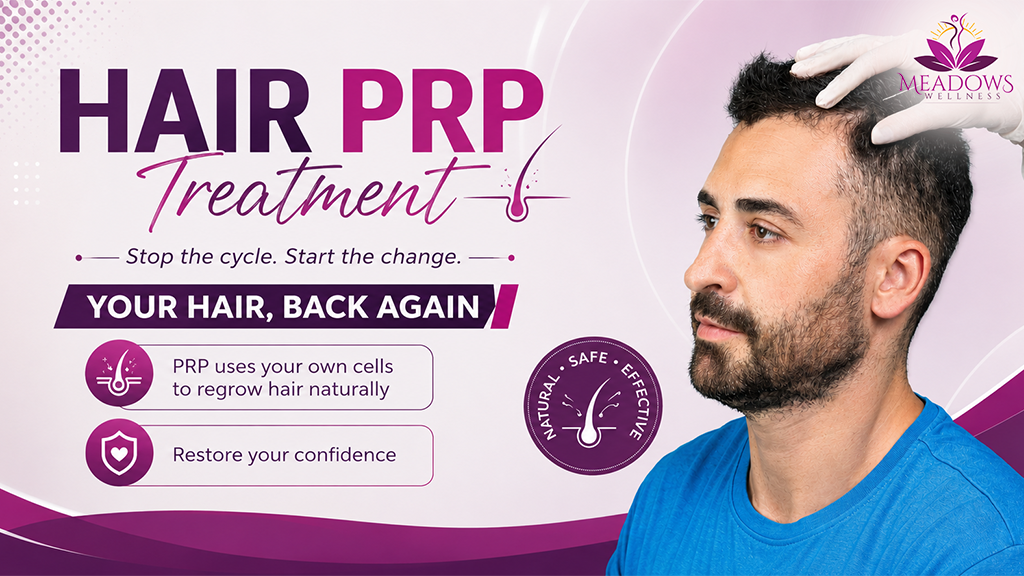
What Is PRP Hair Treatment and How Can It Help Regrow Hair?
Hair loss is a common concern affecting both men and women across different age groups. Whether caused by genetics, stress, hormonal changes, nutritional deficiencies, or certain medical conditions, thinning hair can significantly impact confidence and self-esteem. Fortunately, advancements in regenerative medicine have introduced an innovative solution—PRP hair treatment.
Unlike temporary solutions that only mask hair loss, PRP hair treatment focuses on stimulating your body’s natural healing process to encourage healthier, thicker hair growth. It is a non-surgical procedure that uses your own blood platelets to nourish weakened hair follicles and improve scalp health. As more people search for what is PRP hair treatment, this advanced therapy continues to gain popularity for its safety, effectiveness, and minimal downtime.
In this comprehensive guide, you’ll discover what PRP hair treatment is, how it works, its benefits, expected PRP hair treatment results, PRP hair treatment success rate, PRP hair treatment cost, and how to choose the right clinic when searching for PRP hair treatment near me.
How Does PRP Hair Treatment Work?
Understanding the science behind PRP hair treatment helps explain why many dermatologists and hair restoration specialists recommend it.
Platelets naturally contain proteins known as growth factors, including:
- Platelet-Derived Growth Factor (PDGF)
- Vascular Endothelial Growth Factor (VEGF)
- Transforming Growth Factor (TGF)
- Epidermal Growth Factor (EGF)
- Insulin-Like Growth Factor (IGF)
These growth factors stimulate hair follicles by:
- Increasing blood circulation to the scalp
- Reducing inflammation around follicles
- Promoting new blood vessel formation
- Activating dormant follicles
- Improving follicle size
- Extending the hair growth (anagen) phase
- Encouraging healthier and thicker hair strands
As the follicles receive improved nourishment, they begin producing stronger hair shafts, leading to visible improvements over several months.
Unlike medications that require lifelong use, PRP hair treatment works by activating the body’s own regenerative abilities.
Why Is PRP Hair Treatment Becoming So Popular?
The demand for PRP hair treatment has increased rapidly over the last few years due to several advantages.
Natural Treatment
Since PRP uses your own blood, there are no synthetic chemicals or foreign substances involved.
Non-Surgical Procedure
There are no incisions, stitches, or scars, making PRP hair treatment a preferred choice for people seeking minimally invasive hair restoration.
Quick Sessions
Most appointments take only 45 to 60 minutes, allowing patients to return to work shortly afterward.
Minimal Recovery Time
Unlike hair transplant surgery, PRP hair treatment usually requires little to no downtime.
Suitable for Men and Women
The treatment can benefit individuals experiencing androgenetic alopecia, stress-related hair thinning, postpartum hair loss, and certain other forms of hair loss.
Who Is the Ideal Candidate for PRP Hair Treatment?
Although PRP hair treatment offers promising benefits, not everyone is an ideal candidate.
You may be suitable if you have:
- Early-stage hair thinning
- Male pattern baldness
- Female pattern hair loss
- Weak hair follicles
- Excessive hair shedding
- Hair thinning after pregnancy
- Stress-induced hair loss
- Mild to moderate androgenetic alopecia
The treatment is generally most effective when follicles are still alive but inactive. Completely bald areas without functioning follicles may not respond well.
A qualified dermatologist or hair restoration specialist can determine whether PRP hair treatment is appropriate after evaluating your scalp and medical history.
What Are the Major Benefits of PRP Hair Treatment?
Many people choose PRP hair treatment because it addresses hair loss naturally while improving overall scalp health.
Some major benefits include:
Stimulates Natural Hair Growth
Growth factors encourage inactive follicles to become productive again.
Improves Hair Thickness
Patients often notice thicker and denser hair after multiple sessions.
Reduces Hair Fall
One of the earliest PRP hair treatment results reported by patients is reduced daily hair shedding.
Strengthens Hair Roots
PRP nourishes follicles, helping produce stronger hair strands.
Improves Scalp Health
Enhanced blood circulation creates a healthier environment for hair growth.
Complements Other Treatments
Dermatologists often combine PRP hair treatment with medications like Minoxidil, nutritional support, or hair transplant procedures for improved outcomes.
Safe Procedure
Because the plasma comes from your own blood, the risk of allergic reactions is extremely low.
Which Hair Conditions Can PRP Hair Treatment Improve?
Research suggests PRP hair treatment may help improve several types of hair loss, including:
- Male pattern baldness
- Female pattern hair loss
- Androgenetic alopecia
- Telogen effluvium
- Hair thinning due to stress
- Hair loss after pregnancy
- Weak hair growth after hair transplant surgery
However, results vary depending on the underlying cause, age, genetics, and overall health.
Is PRP Hair Treatment Backed by Science?
Numerous clinical studies have shown encouraging outcomes for PRP hair treatment. Research indicates that platelet-rich plasma can improve hair density, increase hair thickness, and reduce hair shedding in many individuals with androgenetic alopecia when administered as a series of treatments.
Medical experts believe the growth factors in PRP help stimulate hair follicle stem cells, improve blood supply to the scalp, and prolong the hair growth phase. While outcomes differ from person to person, many patients experience noticeable improvements within a few months when treatment is performed by trained professionals and combined with proper scalp care.
However, it’s important to understand that PRP hair treatment is not an instant cure for baldness. It works best for individuals with active but weakened hair follicles and typically requires multiple sessions along with maintenance treatments to sustain results.
What Is the PRP Hair Treatment Success Rate?
One of the most common questions people ask before starting PRP hair treatment is about its effectiveness. While results vary from person to person, several clinical studies have reported encouraging outcomes, especially for individuals with early-stage hair thinning and androgenetic alopecia (male and female pattern hair loss).
The PRP hair treatment success rate depends on several factors, including:
- Age
- Severity of hair loss
- Overall health
- Quality of the PRP preparation
- Number of treatment sessions
- Experience of the treating specialist
- Post-treatment care
Clinical research suggests that many patients notice a reduction in hair shedding, increased hair thickness, and improved hair density after completing a recommended treatment course. Individuals with active but weakened hair follicles generally respond better than those with advanced baldness.
Although PRP hair treatment success rate is considered promising, it is important to understand that no treatment can guarantee identical results for everyone. Consistency and realistic expectations are key to achieving the best possible outcome.
When Can You Expect PRP Hair Treatment Results?
Many patients expect immediate improvement after their first session, but PRP hair treatment results develop gradually because hair grows in natural cycles.
Here’s a general timeline of what most patients can expect:
First Month
During the initial few weeks, you may notice:
- Mild scalp tenderness for one or two days
- Reduced hair shedding
- Improved scalp health
Visible hair growth is usually minimal during this period.
Two to Three Months
As the hair follicles become more active, many patients begin experiencing noticeable PRP hair treatment results, such as:
- Reduced hair fall
- Healthier hair texture
- Baby hair growth in thinning areas
- Increased hair strength
Four to Six Months
This is when the majority of improvements become visible.
Common PRP hair treatment results include:
- Increased hair density
- Thicker hair strands
- Better scalp coverage
- Improved hair volume
- Stronger hair roots
Six to Twelve Months
Hair continues to mature, and the overall improvement becomes more apparent. Patients who follow maintenance sessions often enjoy longer-lasting PRP hair treatment results.
How Many PRP Hair Treatment Sessions Are Needed?
The number of sessions varies depending on the extent of hair loss and individual response to treatment.
A commonly recommended treatment schedule includes:
Initial Phase
- Three to six sessions
- One session every four to six weeks
Maintenance Phase
Once satisfactory PRP hair treatment results are achieved, maintenance sessions are usually recommended every four to six months to help preserve hair density and reduce future hair loss.
Your dermatologist may customize the treatment plan according to your scalp condition and progress.
What Factors Affect PRP Hair Treatment Results?
Several factors influence how well a person responds to PRP hair treatment.
Stage of Hair Loss
Patients with mild or moderate hair thinning usually achieve better PRP hair treatment results than individuals with complete baldness.
Age
Younger individuals often respond more effectively because their hair follicles are generally healthier.
Overall Health
Good nutrition, balanced hormones, and healthy blood circulation support stronger hair growth.
Lifestyle
Smoking, excessive alcohol consumption, poor sleep, and chronic stress can negatively affect the outcome of PRP hair treatment.
Medical Conditions
Certain medical conditions such as thyroid disorders, autoimmune diseases, or severe nutritional deficiencies may reduce the effectiveness of treatment unless managed properly.
Consistency
Patients who complete the full treatment schedule and attend maintenance sessions usually experience better long-term PRP hair treatment results.
What Happens During a PRP Hair Treatment Session?
Many first-time patients are curious about what actually happens during the procedure.
A typical PRP hair treatment session follows these steps:
Step 1: Consultation
The doctor evaluates your scalp, medical history, and hair loss pattern to determine whether you’re a suitable candidate.
Step 2: Blood Collection
A small amount of blood, usually between 10–20 ml, is drawn from your arm.
Step 3: PRP Preparation
The blood sample is placed in a centrifuge that spins at high speed to separate platelet-rich plasma from other blood components.
Step 4: Scalp Preparation
The scalp is cleaned thoroughly. In some cases, a numbing cream is applied to improve comfort during injections.
Step 5: PRP Injection
The concentrated plasma is injected into areas affected by hair thinning using fine needles.
Step 6: Recovery
The procedure typically takes around 45–60 minutes. Most patients can return to their normal routine on the same day.
Does PRP Hair Treatment Hurt?
Pain tolerance varies from person to person.
During PRP hair treatment, patients may experience:
- Mild pinching sensation
- Slight pressure
- Temporary discomfort during injections
Most clinics use very fine needles, and some apply a topical anesthetic to minimize discomfort. Any soreness usually resolves within a day or two.
How Long Do PRP Hair Treatment Results Last?
The longevity of PRP hair treatment results depends on several factors, including genetics, lifestyle, and adherence to maintenance sessions.
Generally:
- Initial improvements may last 12–18 months.
- Maintenance treatments every 4–6 months help sustain hair growth.
- Healthy habits such as a balanced diet, stress management, and proper hair care can further enhance long-term outcomes.
Without maintenance, hair loss may gradually resume as part of the natural aging process.
Can PRP Hair Treatment Be Combined with Other Hair Loss Treatments?
Yes. Many specialists recommend combining PRP hair treatment with other scientifically supported therapies to maximize results.
Common combination treatments include:
- Topical Minoxidil to stimulate hair growth.
- Prescription Finasteride (for eligible men) to reduce hormone-related hair loss.
- Low-Level Laser Therapy (LLLT) to improve scalp circulation.
- Microneedling to enhance the penetration of growth factors.
- Nutritional supplements if deficiencies in iron, vitamin D, zinc, or biotin are identified.
- Hair transplant surgery, where PRP may support graft healing and improve overall hair density.
A personalized treatment plan developed by a qualified dermatologist can provide the best chance of achieving lasting PRP hair treatment results.
What Is the PRP Hair Treatment Cost?
One of the biggest considerations before starting PRP hair treatment is understanding the PRP hair treatment cost. Since the procedure is personalized, the overall expense varies depending on several factors, including the clinic, the doctor’s expertise, the number of sessions required, and the city where the treatment is performed.
Average PRP Hair Treatment Cost
The PRP hair treatment cost generally ranges as follows:
|
Country |
Estimated Cost Per Session |
|
India |
₹3,000 – ₹15,000 |
|
United States |
$500 – $2,000 |
|
United Kingdom |
£250 – £800 |
|
UAE |
AED 800 – AED 2,500 |
Most patients require 3–6 sessions initially, followed by maintenance sessions every few months. Therefore, the total PRP hair treatment cost depends on your treatment plan and long-term goals.
What Factors Affect PRP Hair Treatment Cost?
Several factors influence the final PRP hair treatment cost, including:
- Clinic reputation and location
- Experience of the dermatologist or hair restoration specialist
- PRP preparation technology
- Number of treatment sessions
- Severity of hair loss
- Additional therapies combined with PRP, such as microneedling or low-level laser therapy
While it may be tempting to choose the least expensive option, selecting an experienced medical professional often leads to better outcomes and a safer treatment experience.
Is PRP Hair Treatment Safe?
Safety is one of the primary reasons why PRP hair treatment has become increasingly popular. Since the treatment uses platelet-rich plasma prepared from your own blood, the likelihood of allergic reactions or rejection is very low.
When performed by a qualified healthcare professional using sterile techniques, PRP hair treatment is generally considered safe for suitable candidates.
Benefits That Support Its Safety
- Uses your own blood components
- No synthetic chemicals involved
- Minimally invasive procedure
- Low risk of infection when proper protocols are followed
- Usually performed as an outpatient treatment
- Minimal recovery time
Although the procedure has an excellent safety profile, choosing a certified dermatologist or hair restoration expert is essential to reduce the risk of complications.
What Are the Possible Side Effects of PRP Hair Treatment?
Like any medical procedure, PRP hair treatment may cause temporary side effects, although they are usually mild and resolve within a few days.
Common Side Effects
- Mild redness
- Swelling
- Tenderness
- Temporary scalp soreness
- Slight bruising
- Mild itching
- Small pinpoint bleeding at injection sites
These symptoms typically disappear within 24–72 hours.
Rare Complications
Rare complications may include:
- Infection if sterile techniques are not followed
- Temporary headache
- Minor nerve irritation
- Prolonged swelling
- Temporary increase in hair shedding before new growth begins
Following your doctor’s aftercare instructions can help minimize these risks.
Who Should Avoid PRP Hair Treatment?
Although PRP hair treatment is suitable for many individuals, it may not be appropriate for everyone.
Your doctor may advise against treatment if you have:
- Active scalp infections
- Blood clotting disorders
- Platelet disorders
- Severe anemia
- Certain autoimmune diseases
- Active cancer
- Chronic liver disease
- Uncontrolled diabetes
- Ongoing chemotherapy
- Use of blood-thinning medications (unless approved by your physician)
A detailed consultation and medical history review are essential before starting PRP hair treatment.
How Should You Prepare Before PRP Hair Treatment?
Preparing properly for PRP hair treatment can improve both the comfort of the procedure and the quality of the platelet-rich plasma.
Before Your Appointment
Your doctor may recommend that you:
- Stay well hydrated.
- Eat a healthy meal before the procedure.
- Avoid smoking for at least 24 hours.
- Limit alcohol consumption for 24–48 hours.
- Avoid anti-inflammatory medications such as ibuprofen unless advised otherwise.
- Inform your doctor about all medications and supplements you are taking.
Following these guidelines helps optimize platelet quality and supports better healing.
What Should You Do After PRP Hair Treatment?
Proper aftercare plays an important role in achieving the best PRP hair treatment results.
First 24 Hours
Avoid:
- Washing your hair
- Touching or scratching the scalp
- Intense physical exercise
- Excessive sweating
- Hair styling products
- Swimming
First Few Days
You should also avoid:
- Direct sun exposure
- Steam rooms
- Saunas
- Hair coloring or chemical treatments
- Massaging the scalp aggressively
Recommended Aftercare
- Drink plenty of water.
- Follow your dermatologist’s instructions.
- Use prescribed hair care products if recommended.
- Eat a balanced diet rich in protein, iron, zinc, and vitamins.
- Attend all scheduled follow-up appointments.
These simple measures can help maximize PRP hair treatment results and support healthy hair growth.
What Lifestyle Changes Can Improve PRP Hair Treatment Results?
While PRP hair treatment stimulates hair follicles, healthy lifestyle habits can further enhance and maintain your results.
Eat a Nutrient-Rich Diet
Include foods rich in:
- Protein
- Iron
- Zinc
- Biotin
- Vitamin D
- Omega-3 fatty acids
Manage Stress
Chronic stress can contribute to hair shedding. Consider relaxation techniques such as:
- Meditation
- Yoga
- Deep breathing exercises
- Regular physical activity
Get Enough Sleep
Aim for 7–9 hours of quality sleep each night to support the body’s natural repair processes.
Avoid Smoking
Smoking can reduce blood circulation to the scalp, potentially limiting the effectiveness of PRP hair treatment.
Maintain Good Hair Care Practices
- Use mild shampoos.
- Avoid excessive heat styling.
- Limit harsh chemical treatments.
- Protect your hair from excessive sun exposure.
Healthy habits work alongside PRP hair treatment to improve scalp health and encourage stronger, healthier hair growth.
Can PRP Hair Treatment Prevent Future Hair Loss?
PRP hair treatment can significantly reduce hair shedding and stimulate dormant follicles, but it does not permanently stop the natural aging process or genetic hair loss.
For many individuals, ongoing maintenance sessions are recommended to preserve the improvements achieved during the initial treatment course. Combining PRP with a healthy lifestyle and other medically recommended therapies can help slow the progression of hair loss and maintain fuller-looking hair over time.
By setting realistic expectations and following a personalized treatment plan, patients can enjoy long-lasting benefits and improved confidence.
How Can You Find the Best PRP Hair Treatment Near Me?
If you’ve been searching online for PRP hair treatment near me, you’ll likely find numerous clinics offering the procedure. However, not all providers offer the same level of expertise or treatment quality. Choosing the right clinic can significantly influence your PRP hair treatment results and overall experience.
Check the Doctor’s Qualifications
Always choose a board-certified dermatologist or hair restoration specialist with experience in regenerative hair treatments. An experienced doctor can accurately diagnose the cause of your hair loss and recommend a personalized treatment plan.
Read Patient Reviews
Look for genuine patient testimonials and before-and-after photos to understand the clinic’s reputation. Reviews can provide insight into the quality of care, professionalism, and expected PRP hair treatment results.
Evaluate the Technology Used
The effectiveness of PRP hair treatment depends on the quality of the platelet-rich plasma preparation. Ask whether the clinic uses advanced centrifuge systems and standardized PRP preparation protocols.
Personalized Consultation
A reputable clinic should perform a detailed scalp examination, discuss your medical history, and explain realistic expectations before recommending treatment.
Hygiene and Safety Standards
Ensure the clinic follows strict infection control measures and uses sterile, single-use needles and equipment.
Transparent Pricing
When comparing clinics offering PRP hair treatment near me, ask for a detailed breakdown of the PRP hair treatment cost, including consultation fees, the number of sessions, and any maintenance packages.
Why Choose Meadows Wellness for PRP Hair Treatment?
If you’re looking for PRP hair treatment near me, Meadows Wellness offers advanced, patient-focused hair restoration solutions designed to address different stages of hair thinning and hair loss.
Here’s why patients choose Meadows Wellness:
- Experienced dermatologists and aesthetic specialists
- Advanced PRP preparation technology
- Personalized treatment plans based on scalp analysis
- Strict safety and hygiene protocols
- Comfortable treatment environment
- Comprehensive consultation and follow-up care
- Transparent treatment planning and guidance
At Meadows Wellness, every treatment plan is tailored to your unique hair concerns, helping you achieve healthier, stronger, and fuller-looking hair.
Final Thoughts
Hair loss can affect confidence and quality of life, but modern regenerative treatments have made hair restoration more accessible than ever. PRP hair treatment uses your body’s own healing properties to stimulate weakened hair follicles, reduce hair shedding, and encourage healthier, thicker hair growth.
Whether you’re exploring what is PRP hair treatment, comparing the PRP hair treatment cost, researching the PRP hair treatment success rate, or looking for reliable PRP hair treatment results, it’s important to remember that outcomes vary depending on individual factors and treatment consistency.
Choosing a qualified clinic, following the recommended treatment schedule, and maintaining a healthy lifestyle can significantly improve your chances of achieving long-lasting results.
If you’ve been searching for PRP hair treatment near me, schedule a consultation with the experts at Meadows Wellness. Their experienced team provides personalized assessments and advanced PRP therapy tailored to your unique hair restoration needs. With patient-centric care and modern treatment protocols, Meadows Wellness is committed to helping you regain healthier, fuller-looking hair and renewed confidence.
Conclusion
PRP hair treatment has become one of the most trusted non-surgical solutions for individuals experiencing hair thinning and early-stage hair loss. By harnessing the regenerative power of your own platelet-rich plasma, this treatment promotes natural hair growth, strengthens existing follicles, and improves scalp health with minimal downtime.
Although the PRP hair treatment success rate is encouraging, achieving the best PRP hair treatment results depends on timely intervention, proper medical evaluation, and consistent follow-up sessions. Understanding the PRP hair treatment cost, selecting an experienced clinic, and adopting healthy lifestyle habits are equally important for long-term success.
If you’re ready to take the next step toward healthier hair, consult the specialists at Meadows Wellness to determine whether PRP therapy is the right choice for you. Early treatment can make a significant difference in preserving and restoring your hair naturally.